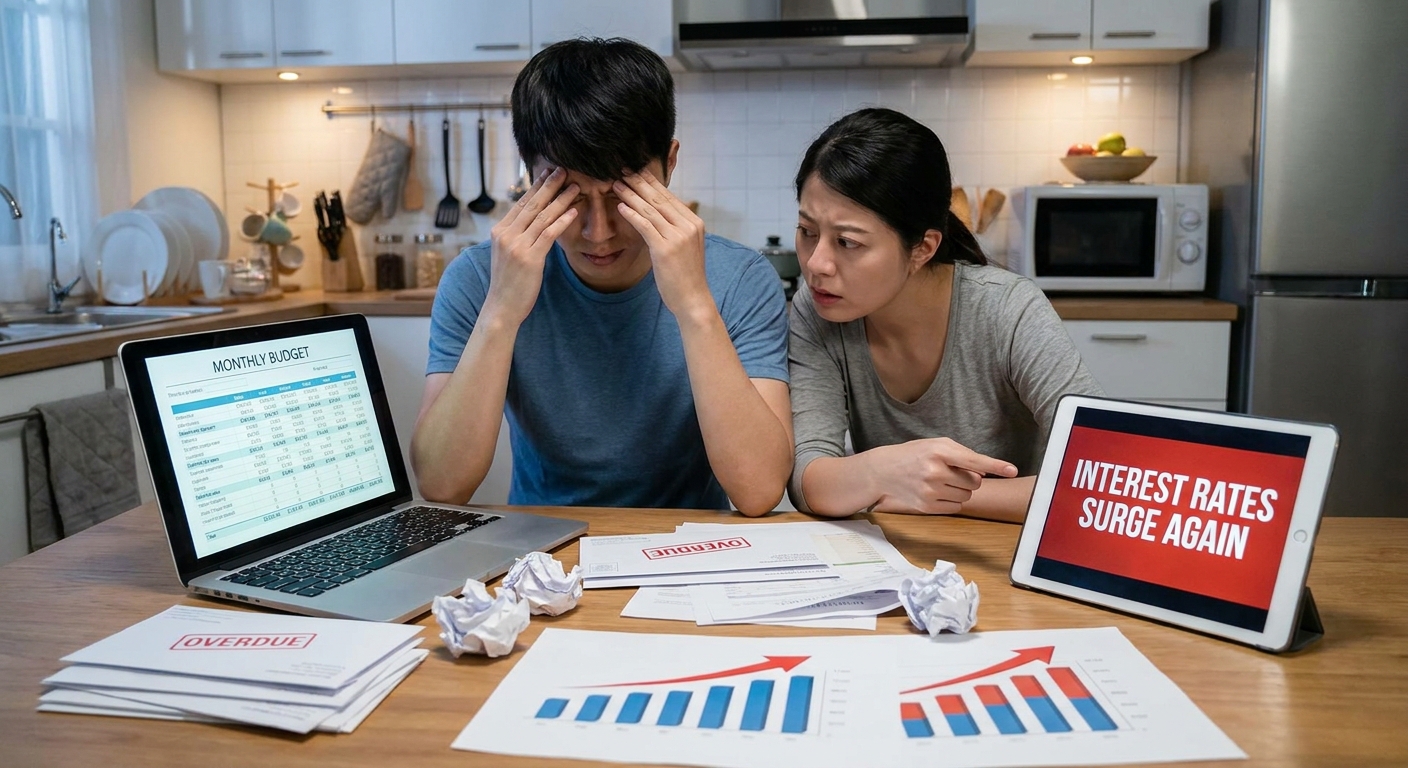
In less than two years, the Federal Reserve drove its benchmark interest rate from near zero to roughly 5%–5.5%, the fastest hiking cycle in decades. That single shift has redirected trillions of dollars across stock, bond, housing, and savings markets — and it’s rewriting the math for American households.
The Rate Shock: How One Policy Shift Is Rippling Through Every Market
Whether you rent or own, carry credit card balances or keep cash in the bank, this rate shock is changing your financial reality. Here’s a clear, practical guide to what has changed, why it happened, and how to adapt.
Why the Fed Slammed on the Brakes
After years of low inflation, consumer prices began rising at the fastest pace since the early 1980s, with annual inflation peaking around 8%–9%. The Fed’s job is to keep prices stable (around 2% inflation) and support maximum employment. To cool demand and slow price increases, it raised short‑term interest rates aggressively.
Think of higher interest rates as raising the price of money:
- Borrowing becomes more expensive.
- Saving becomes more rewarding.
- Big purchases and investments get delayed or downsized.
The goal: slow the economy just enough to curb inflation without triggering a deep recession.
Market by Market: What Changed and What It Means for You
1. Housing: From Frenzy to Freeze
What happened:
- 30‑year fixed mortgage rates jumped from under 3% to around 6.5%–7.5%.
- Home prices in many markets stopped surging but did not collapse, because existing owners are locked into ultra‑low rates and reluctant to sell.
What it means for buyers:
On a $350,000 home with 20% down ($280,000 mortgage):
- At 3%, principal and interest are about $1,181/month.
- At 7%, that’s about $1,864/month.
That’s an extra $683 every month, or more than $8,000 per year — before taxes and insurance.
What it means for owners:
- If you locked in a low rate, your payment is a valuable asset. Selling and buying again could double your housing cost for a similar home.
- Home equity is higher than before the pandemic in most regions, but tapping it via a HELOC or cash‑out refi is now more expensive, with rates commonly above 8%.
2. Credit Cards and Personal Loans: The Silent Squeeze
What happened:
- Average credit card APRs jumped from around 15%–17% to 20%–30%, depending on your credit score.
- Personal loan rates climbed into the 11%–20%+ range for many borrowers.
Impact on your budget:
Take a $6,000 credit card balance at 25% APR:
- Minimum payment (say 2% of balance): about $120 in month one.
- Interest alone in that first month: about $125.
You’re barely touching the principal. Carry that balance for a year and you could pay $1,300+ in interest, assuming no new charges.
This is why high‑rate debt is now one of the most dangerous lines in the household budget.
3. Savings Accounts and CDs: Finally Paying Real Money
What happened:
- After years of near‑zero yields, high‑yield savings accounts now often pay 4%–5% APY.
- 6‑ to 12‑month CDs frequently offer similar or slightly higher rates.
What it means for savers:
- $10,000 earning 0.01% yields $1 in a year.
- $10,000 at 4.5% yields about $450.
For households that maintain emergency funds or cash for near‑term goals, moving from a big‑bank account paying almost nothing to a competitive online account can be worth hundreds of dollars a year in interest, with no extra risk if the bank is FDIC‑insured.
4. Bond Markets: Pain Up Front, Potential Opportunity Ahead
What happened:
- When rates rise, existing bonds with lower coupons become less attractive and their prices fall.
- Many bond funds posted negative returns during the rapid rate hikes.
What it means now:
- New bonds and CDs offer much higher yields than a few years ago.
- For long‑term savers, this sets the stage for higher ongoing income from fixed‑income investments.
If a high‑quality bond fund now yields 4%–5%, that can be an important counterweight to more volatile stock holdings — especially for those approaching or in retirement.
5. Stock Market: Higher Hurdle for Risky Bets
What happened:
- When safe assets pay more, investors demand better returns from riskier ones.
- Highly valued, fast‑growing companies — especially in tech — faced more scrutiny, leading to big price swings.
Household implications:
- Broad‑based index funds may still benefit from long‑term economic growth.
- Speculative areas (unprofitable startups, some crypto‑related plays) tend to get hit harder when money is no longer "free."
For retirement savers, this environment rewards diversification and discipline more than chasing the hottest theme.
How to Adapt Your Household Strategy to a High‑Rate World
1. Prioritize High‑Cost Debt Elimination
Every extra dollar you put toward a 24% credit card balance is like earning a risk‑free 24% return.
Action steps:
- List all debts by interest rate, highest to lowest.
- Attack the highest‑rate balances first while making minimums on others (the "avalanche" method).
- Consider a 0% balance transfer card if you can realistically pay down the balance before the promo period ends and fees are reasonable.
2. Renegotiate or Refinance Where Possible
- If you have private student loans at very high rates, compare refinancing options — but weigh the loss of any federal protections.
- Call your credit card issuer and ask for a lower APR; they may offer a temporary reduction or hardship plan.
Document your income and payment history before calling. Lenders are more flexible than they appear, especially if default risk is on the table.
3. Capture Higher Yields Without Taking Big Risks
- Move idle cash from a checking account paying 0.01% into a high‑yield savings account.
- Ladder CDs: split your cash into 3‑, 6‑, 12‑month CDs so some money comes due regularly.
- For larger balances beyond FDIC limits, consider short‑term U.S. Treasury bills.
Keep emergency funds liquid and safe; do not chase higher yields with risky products you don’t fully understand.
4. Reevaluate the Buy vs. Rent Trade‑Off
With high mortgages and stubborn home prices:
- Renting may be financially smarter for some households in the near term.
- Compare total monthly cost of owning (mortgage, taxes, insurance, maintenance, HOA) to rent for equivalent housing — not just the mortgage payment.
Use this period to:
- Strengthen your credit score.
- Build a larger down payment.
- Watch local price trends carefully.
5. Check Your Investment Mix for the New Reality
Without prescribing a specific allocation:
- If you haven’t adjusted your portfolio in years, you may be taking more risk than you think.
- Confirm that your bond holdings match your timeframe — shorter maturities are less sensitive to rate changes.
- Make sure your stock exposure is diversified across sectors and regions.
Small, deliberate adjustments are usually healthier than wholesale shifts in or out of the market.
The Takeaway: Rates Are a Lever on Your Whole Financial Life
The Fed’s rapid rate hikes were aimed at inflation, but the effects radiate through every major market and every household budget. Borrowing is more expensive; saving is finally rewarded; speculative bets face a higher bar.
You don’t control interest rates — but you do control how exposed you are to them. In a high‑rate world, the households that come out ahead will be the ones that:
- Shed high‑interest debt.
- Put cash to work in safe, higher‑yield accounts.
- Make housing decisions based on total cost, not fear of missing out.
- Keep long‑term investments diversified and aligned with real goals.
Rates may eventually fall, but the habits you build in this environment — disciplined borrowing, smart saving, clear priorities — will serve you in any market.